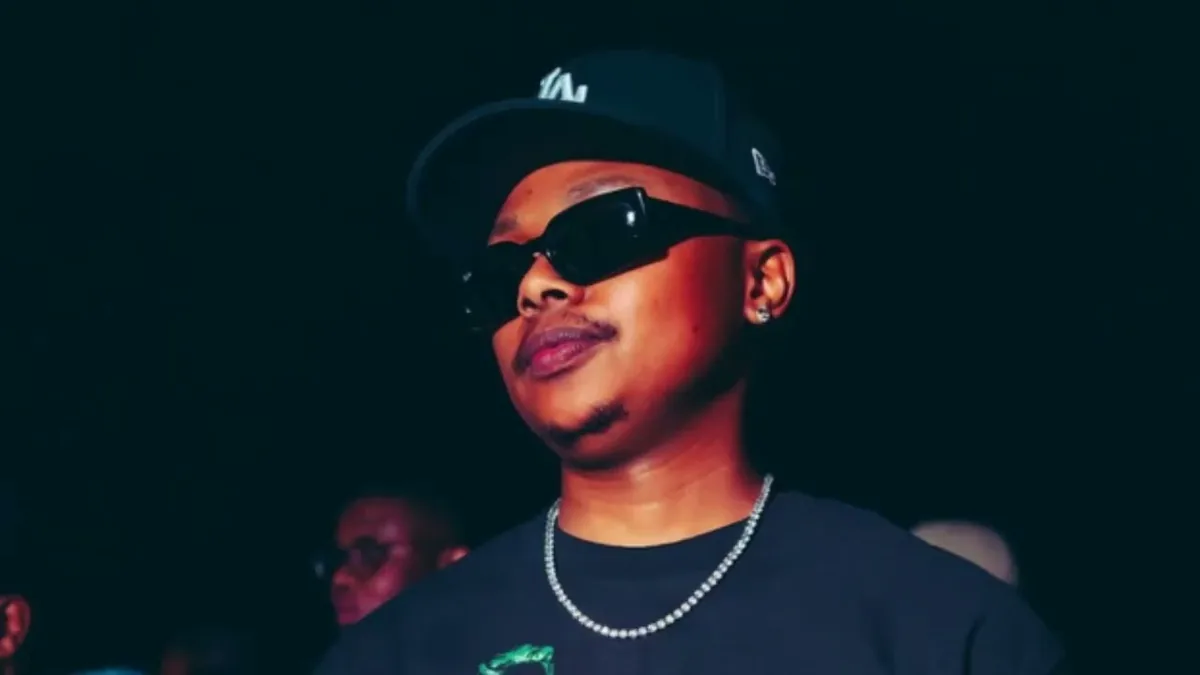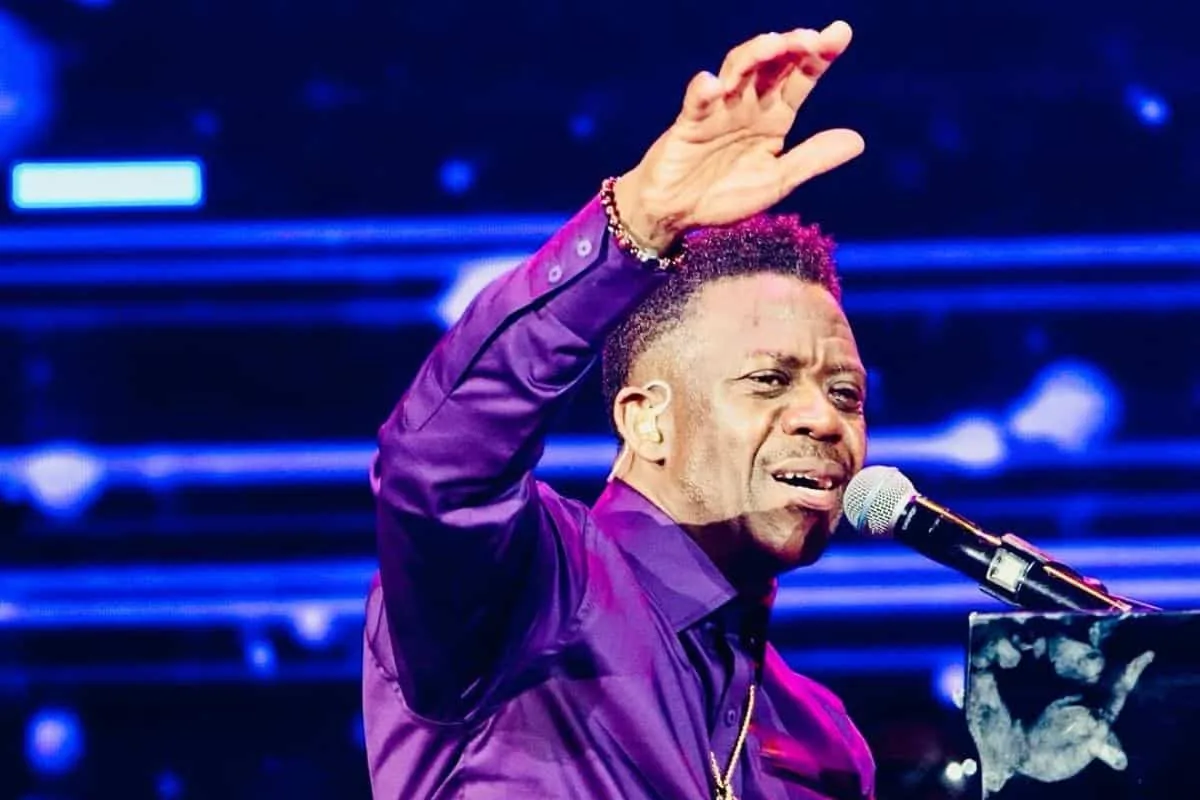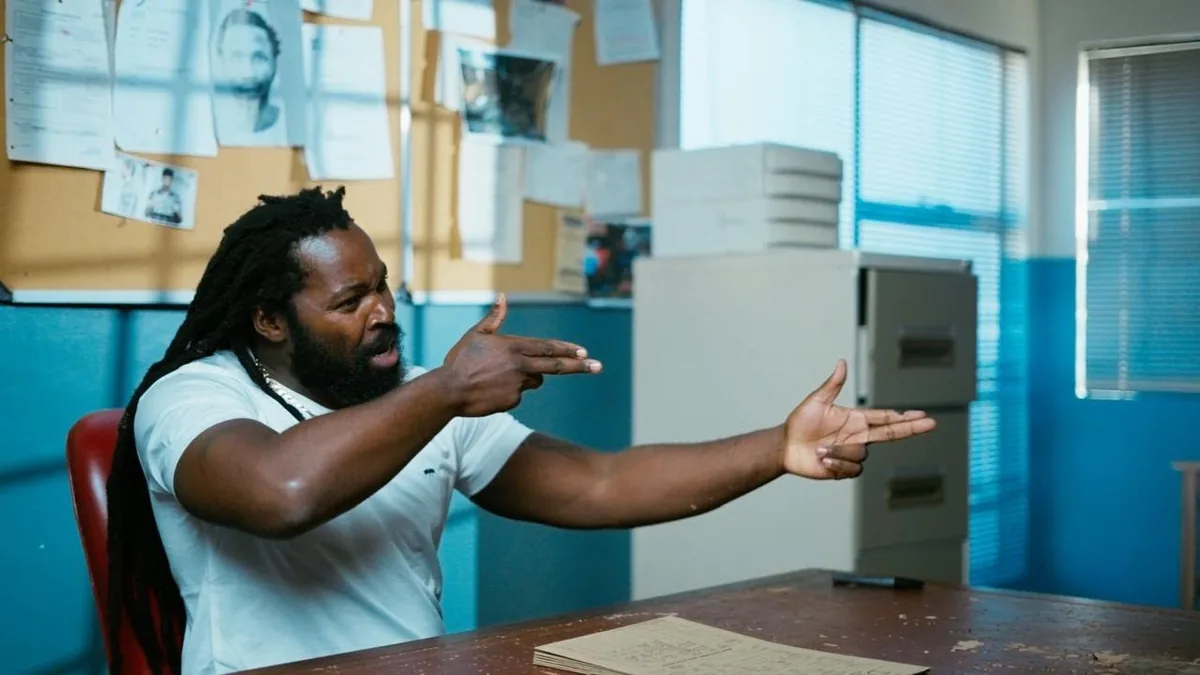
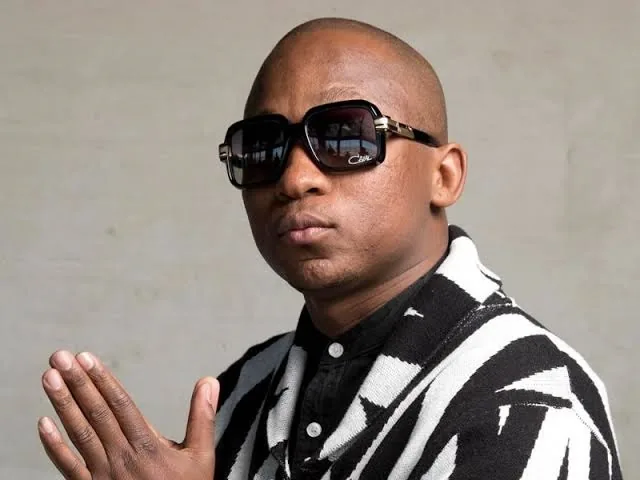
Who Is Khuli Chana?
Khulane Morule — known across South Africa and the broader African continent simply as Khuli Chana — is one of the most important figures in the history of South African hip-hop. Born on 27 August 1982 in Mmabatho in the North West Province, he grew up immersed in the culture and language of his homeland, and it is that rootedness that gave him something most rappers never find: a truly original sound. Motswako — a genre that fuses hip-hop rhythms with Setswana, street slang, and English in a manner that is unmistakably South African — found its most famous global ambassador in Khuli Chana, and his four-decade commitment to the art form has made him one of the most decorated and respected artists to ever hold a microphone in Mzansi.
What makes Khuli Chana’s story remarkable is not just the music — it is the man. He was raised by a single mother in Mmabatho, later finding his musical footing through a series of collaborations and group formations that eventually led him to the rap trio Morafe, whose early 2000s albums introduced Motswako to a wider South African audience. When Morafe took a break, Khuli chose not to wait. He went independent, was rejected by three recording labels, and released his debut solo album Motswakoriginator in 2009 entirely on his own terms — and the South African music industry has never been the same since.
His discography is one of the most consistent in South African hip-hop history. Motswakoriginator (2009) introduced a sound that was unlike anything before it. Lost in Time (2012) confirmed the genius. One Source (2017) demonstrated his continental reach, featuring collaborations with Patoranking, Stonebwoy, and other major African voices. Planet of the Have Nots (2019) showed an artist who had not just survived two harrowing shooting incidents but emerged with something to say about inequality, survival, and purpose. By 2026, his catalogue is a living archive of South African hip-hop’s most important decade.
“Khuli Chana did not follow a trend — he created one. Motswako existed before him, but Khuli made it undeniable. He is the reason a generation of North West kids believed rap was theirs to claim.”
Beyond music, Khuli Chana is a businessman, a label founder, a festival creator, a humanitarian ambassador, and in 2023, a university graduate — having completed an Honours Degree in Innovation and Entrepreneurship from the AFDA School of the Creative Economy. He founded Maftown Heights, South Africa’s most beloved community hip-hop festival. He created Mythrone Records and Raux Studios, two Johannesburg-based music companies through which he controls his artistic and commercial output. He survived being shot at by police in 2013 — a national incident that sparked public outrage and ended with a R1.8 million out-of-court settlement — and came back more focused, more purposeful, and more committed to his art than ever before. In 2026, at 43 years old, Khuli Chana is not just a rapper. He is South African hip-hop’s conscience, its grandfather, and one of its greatest ever sons.
Khuli Chana Net Worth in 2026: Updated Figures
Khuli Chana’s net worth in 2026 is estimated at approximately $2 million USD — roughly R36.9 million ZAR. Multiple South African celebrity wealth trackers including ZAlebs, Briefly.co.za, and international platforms have placed his net worth consistently in the $2–2.3 million range, with $2 million representing the most widely cited and credible figure for May 2026. This positions him among the wealthiest South African hip-hop artists of his generation — a generation he quite literally helped build from the ground up.
Understanding Khuli Chana’s net worth requires appreciating the model he operates within. Unlike artists who have relied on major label advances to inflate their apparent wealth, Khuli’s fortune is built on genuine independence. He was rejected by multiple labels before releasing his debut album himself, and that early refusal of industry dependence shaped a business philosophy that has served him well. Mythrone Records and Raux Studios give him ownership over his own music and the music of artists he develops, meaning his income compounds through catalogue ownership rather than evaporating into label recoupment schedules. His wealth is real, independent, and self-made — which makes it more durable than a figure twice its size built on advances and debt.
Built independently through Mythrone Records, Raux Studios, global streaming royalties, Maftown Heights, touring, and brand partnerships spanning over two decades.
His estimated annual income sits in the range of R4 million to R9 million, driven by streaming royalties from a catalogue that continues to accumulate plays across South Africa and the African continent, touring revenue from headline performances at festivals and shows, Maftown Heights festival income, and brand deals that reflect his stature as one of SA hip-hop’s founding fathers. His net worth growth has been measured, consistent, and entirely self-generated:
| Year | Estimated Net Worth (ZAR) | Notes |
|---|---|---|
| 2009 | ~R200K–500K | Motswakoriginator debut; Channel O Best Newcomer; independent release |
| 2012 | ~R1–3 Million | Lost in Time; SAMA Album of the Year; Tswa Daar goes national |
| 2015 | ~R5–10 Million | Maftown Heights established; brand deals; growing continental profile |
| 2017 | ~R12–18 Million | One Source; Patoranking, Stonebwoy collabs; Absolut vodka ambassadorship |
| 2020 | ~R22–28 Million | Planet of the Have Nots; catalogue streaming growth; Mythrone Records maturity |
| 2023 | ~R30–35 Million | Son born; AFDA Honours graduation; continued continental festival headlining |
| 2026 (Current) | ~R36.9 Million | Continued streaming catalogue growth; traditional wedding celebration; peak legacy value |
Business Empire & Music Ventures
Khuli Chana’s commercial footprint is one of the most genuinely independent in South African hip-hop. Rejected by three labels before he released his debut album, he built his entire empire without major label scaffolding — and the result is a business that is leaner, more durable, and more author-led than many of his peers. Here is an honest breakdown of the pillars that drive his wealth:
Mythrone Records & Raux Studios
Mythrone Records and Raux Studios are Khuli Chana’s two Johannesburg-based music companies — and they represent the commercial backbone of everything he has built. Mythrone Records serves as his label vehicle, through which he manages his own releases and develops other artists. Raux Studios is the recording infrastructure that gives him full creative and technical ownership over the production of his music. Together, the two entities mean that Khuli Chana earns as both a recording artist and a business operator — keeping a far larger share of every rand generated by his music than an artist signed to a major label would. This model, built out of initial rejection, turned out to be one of his greatest financial advantages.
Discography: A Catalogue That Keeps Earning
Khuli Chana’s discography is among the most commercially durable in South African hip-hop. Motswakoriginator (2009) introduced Motswako to the mainstream and earned him the Channel O Music Video Award for Best Newcomer. Lost in Time (2012) won him the South African Music Award for Album of the Year and produced “Tswa Daar” — one of the most beloved hip-hop anthems in SA history. One Source (2017) brought continental collaborators including Patoranking and Stonebwoy onto a single project and expanded his pan-African footprint. Planet of the Have Nots (2019) addressed inequality and survival with the moral authority of a man who had literally survived being shot at by police. This catalogue accumulates streams continuously across multiple platforms and continues to generate passive income that grows as African streaming penetration increases year on year.
Maftown Heights Festival
Maftown Heights is Khuli Chana’s single most significant contribution to South African hip-hop culture beyond his recorded music. Founded in Mahikeng — his hometown — the annual festival has grown into one of the most respected and beloved community hip-hop celebrations on the continent. As its founder, Khuli earns from the festival directly and benefits enormously from the cultural goodwill it generates around his brand. Maftown Heights is not just an event — it is a cultural institution that functions as an annual monument to the Motswako movement Khuli helped build. The festival has featured some of South Africa’s most celebrated rappers and has given a platform to emerging artists from the North West Province who might otherwise never have had one.
Brand Partnerships & Endorsements
Khuli Chana’s brand profile is that of a respected elder statesman of South African hip-hop — a positioning that commands endorsement deals from companies seeking cultural authenticity and long-term credibility rather than short-term virality. His most prominent brand deal was with Absolut Vodka, for whom he served as a brand ambassador — a partnership that reflected both his personal aesthetic and his broad demographic appeal across age groups in South African culture. He has also been involved in campaigns with major South African brands and humanitarian organisations, including a role as an Ambassador for ActionAid South Africa’s Hunger Free campaign, for which his song “No More Hunger” was featured in the campaign’s music compilation. His brand deals are premium, selective, and aligned with his values — which gives them a credibility that more commercially aggressive partnerships lack.
Academic Achievement: AFDA Honours Degree
In 2023, Khuli Chana graduated from the AFDA School of the Creative Economy with an Honours Degree in Innovation and Entrepreneurship — a credential that speaks directly to the business philosophy he has been living since 2009. The qualification is not merely symbolic. It represents a formal framework for the instinctive business acumen that led him to build two music companies, found a major festival, and develop multiple artists — all without major label support. At an age when many artists are coasting on catalogue, Khuli chose to invest in his own understanding of the creative economy. It is the kind of decision that compounds over decades rather than years.
Morafe: The Group That Built the Foundation
Before the solo career, the SAMA awards, and Maftown Heights, there was Morafe — the rap group through which Khuli Chana first developed his Motswako voice. Morafe’s 2005 album Maru a Pula (The Anticipation) and their 2007 follow-up Ene: The Revolution introduced the group’s dynamic sound to South African audiences and gave Khuli the collaborative experience, the performance discipline, and the industry contacts that would serve him throughout his solo career. His subsequent collaboration with III Tribe — a group he formed with his cousins Molemi and Todi — further embedded him in a network of creative relationships that have enriched both his music and his business throughout his career.
Rise to Icon Status: Timeline
From a township kid rapping in Mmabatho to winning Album of the Year at the SAMAs and opening for Kendrick Lamar — here are the defining moments in Khuli Chana’s extraordinary journey to becoming South Africa’s most respected Motswako rapper:
Monthly Earnings Breakdown
Khuli Chana’s income in 2026 is shaped by independence rather than major label infrastructure. Unlike artists whose earnings flow largely through a label advance or distributor arrangement, his revenues come through his own companies, his own festival, and his own brand relationships — which means his income is more variable month-to-month but more genuinely his own. The figures below are estimates based on career scope, platform analytics, industry benchmarks, and available reporting:
| Income Stream | Estimated Monthly (ZAR) | Notes |
|---|---|---|
| Streaming Royalties (All Platforms) | R80,000 – R250,000 | Deep catalogue; SA, continental & diaspora streaming across Spotify, Apple Music, Boomplay |
| SA & Continental Touring | R100,000 – R500,000 | Per show; headline festival slots command premium rates as genre founding father |
| Mythrone Records & Raux Studios | R30,000 – R120,000 | Label operations; artist income; studio revenue; catalogue management |
| Maftown Heights Festival | Seasonal / Annual | Annual event; income concentrated around festival period in Mahikeng |
| Brand Partnerships & Endorsements | R100,000 – R500,000 | Per deal; premium cultural credibility drives endorsement value |
| YouTube Ad Revenue & Digital Content | R30,000 – R100,000 | Millions of catalogue views; growing monthly as streaming adoption expands |
| Total Estimated Monthly | R340,000 – R1,470,000 | Variable; peaks during touring, festival, and major endorsement cycles |
The critical structural advantage in Khuli Chana’s income is full ownership. Every rand that flows through Mythrone Records, Raux Studios, and Maftown Heights belongs to him — there is no label recoupment, no advance to pay back, no percentage owed to a major distributor for catalogue rights he does not control. This ownership model produces income that is slower to accumulate in absolute terms than an artist with major label advance funding, but it is income that compounds over time rather than disappearing into debt. After more than fifteen years of building on this foundation, the compounding has been significant.
Personal Life, Legacy & Cultural Impact
Khuli Chana occupies a position in South African cultural life that very few artists ever reach: he is simultaneously a founding father and an active contemporary — respected by the artists who came before him, celebrated by the generation he inspired, and still listened to by the generation coming up now. His identity is rooted in the North West Province, and his refusal to shed that identity in pursuit of a more commercially convenient persona is the very thing that has made him endure.
Personal Life in 2026
As of 2026, Khuli Chana is 43 years old and based in Johannesburg. He is married to Lamiez Holworthy — one of South Africa’s most respected DJs and television personalities — who he wed in 2019 in a ceremony that made national headlines. The couple welcomed their son Leano-Laone Zion Morule in March 2023, and in 2026, they marked their union with a traditional wedding celebration in Mahikeng that blended cultural ceremony with their personal story in a way that resonated deeply with South African audiences. Khuli also has a daughter, Nia Lesika, from a previous relationship. His family life is one that he speaks about openly — using the platform his fame affords him to model a version of fatherhood and partnership that is grounded, authentic, and present.
Cultural Impact: The Man Who Kept Motswako Alive
Khuli Chana’s most profound non-financial legacy is what he has done for Motswako as a genre and for the North West Province as a cultural origin point. Motswako existed before him — he credits Prof Sobukwe as the pioneer who inspired him — but it was Khuli who gave the genre its most famous, most durable, and most commercially successful voice. Without his decade-long commitment to rapping in Setswana and English simultaneously, Motswako might have remained a regional curiosity rather than becoming a recognised and celebrated pillar of South African hip-hop’s identity. His influence on younger Motswako artists — and on South African rappers who blend vernacular languages into their work more broadly — is enormous, even where it goes uncredited.
“I was born in Mmabatho. I rap in Setswana. And the world hears me. That is not an accident — that is the power of being exactly who you are and refusing to apologise for it.” — Khuli Chana, on identity and music. In 2026, that philosophy is still the most important thing he produces.
Humanitarian Work & Social Advocacy
Khuli Chana’s civic engagement goes well beyond the music. He has served as an Ambassador for ActionAid South Africa’s Hunger Free campaign, contributing his song “No More Hunger” to their campaign music compilation and lending his profile to a cause that speaks directly to the inequality he addresses in his music. He has used his platform to speak about social issues affecting young South Africans, particularly in rural and semi-urban communities like those of the North West Province that are too often overlooked in conversations about SA’s creative economy. Maftown Heights itself is, at its core, a philanthropic act — a festival that gives back to the community that gave him everything, providing platforms, opportunities, and visibility to artists from a region that the South African entertainment industry routinely ignores.
The 2013 Shooting: Survival as Legacy
No account of Khuli Chana’s life and legacy is complete without acknowledging October 2013. His shooting by South African police — mistaken for a criminal suspect, fired upon nine times in his vehicle, surviving to walk out of the incident that could have ended everything — is not just a dramatic biographical footnote. It is a chapter that fundamentally shaped his artistic voice. Planet of the Have Nots (2019) cannot be fully understood without knowing what Khuli survived in 2013. His advocacy for police accountability, his willingness to use his public platform to speak about justice and institutional violence, and the way he returned to his music more purposeful than before — these are the marks of a man who did not take the gift of survival for granted. The R1.8 million out-of-court settlement was a legal conclusion. The artistic response he gave in the years that followed was the real answer.