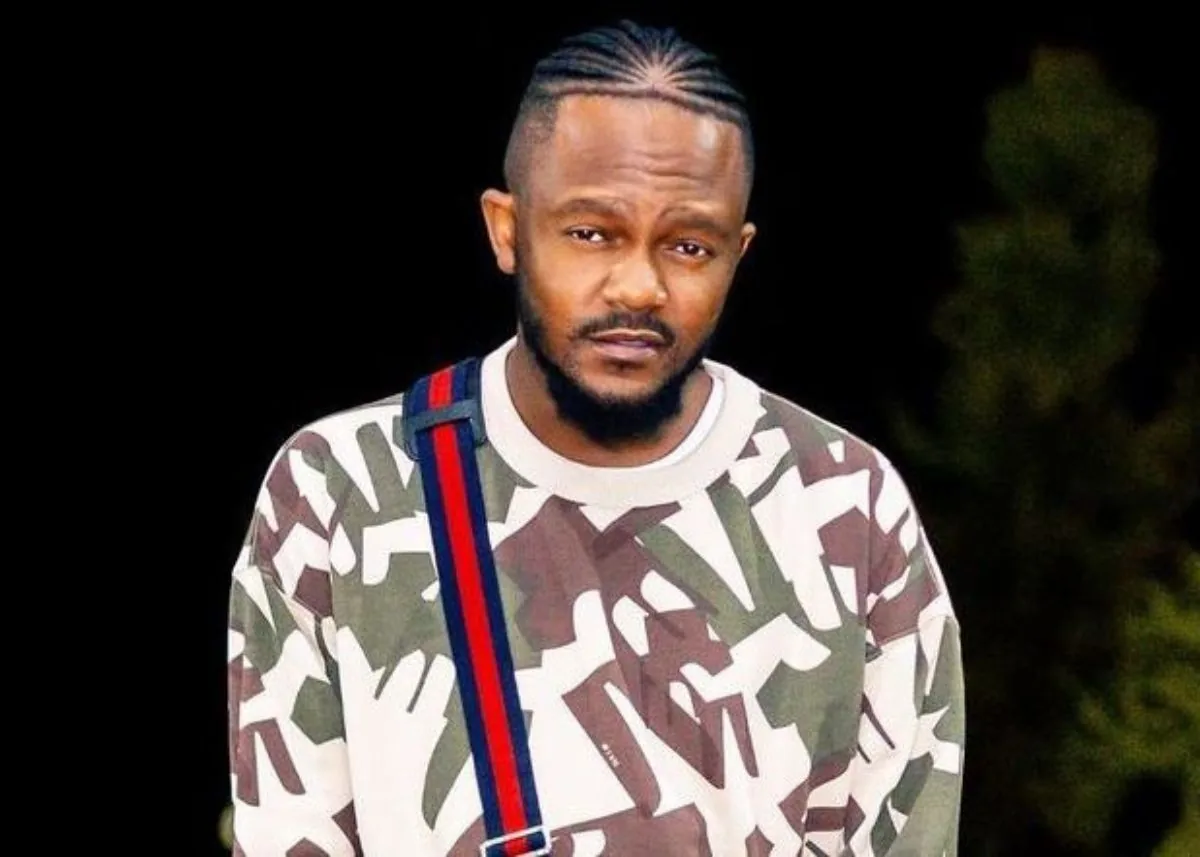
Who Is Kwesta?
Kwesta’s net worth in 2026 is estimated at approximately $2 million USD — roughly R37 million ZAR, making him one of the most commercially successful and critically respected South African rappers of his generation. Born Senzo Mfundo Vilakazi on 11 August 1988 in Katlehong, Gauteng — a township also known as “K1” — Kwesta built his fortune through multi-platinum album sales, a co-founded independent record label, international collaborations, and over two decades of relentless work in South African hip-hop. His story is one of the most compelling in the genre: a school dropout at 16 who convinced his mother to give him taxi fare to a record label, and went on to become one of only a handful of South African rappers to make Forbes Africa’s prestigious 30 Under 30 list.
Kwesta’s career began informally in 2003 when he co-founded the rap group Ghetto Fellaz with friends at the age of 15 — quickly renamed The Juvenylz the same year. After the group disbanded, he navigated the South African hip-hop underground through competitions and freestyle events, including winning ETV’s Shiz Niz Freestyle Kings Special and performing at The Rand Show. At 16, he made one of the most decisive moves of his life: he dropped out of high school, convinced his mother to fund his taxi fare to Buttabing Entertainment’s offices, and signed to his first professional record label. From that moment, the direction was fixed. His debut album Special ReKwest, released in 2010, was certified platinum by RISA and earned him SAMA nominations for Best Newcomer and Best Rap Album — making him the first South African rapper to have seven songs simultaneously ranked on multiple radio charts in a single year.
The albums that followed mapped a steady, deliberate ascent. DaKAR (2013) peaked at number three on the iTunes South African Hip-Hop chart. DaKAR II (2016) became the best-selling South African hip-hop album of all time — certified 7 times Platinum — and produced “Ngud'” featuring Cassper Nyovest (7× Platinum) and “Ngiyaz’fela Ngawe” featuring Thabsie, which achieved an extraordinary 11× Diamond certification. “Spirit” featuring American rapper Wale followed and went platinum, extending his profile internationally. At the 23rd SAMAs in 2017, he swept five awards in a single night — Best Male Artist, Best Rap Album, Best Album of the Year, SAMRO Highest Airplay, and SAMPRA Highest Airplay — a dominance that remains one of the most remarkable award-night performances in South African music history. His fourth album, g.o.d guluva (2021), reached number four on the South Africa Top 100 Albums chart, with “Njandini” winning Best Kwaito Song at the 2021 Mzansi Kwaito and House Music Awards.
“Kwesta is not just an artist — he is a movement. DaKAR II is the best-selling SA hip-hop album of all time, and ‘Ngiyaz’fela Ngawe’ going 11× Diamond tells you everything about how deeply his music connects with South Africans. The numbers do not lie.”
By 2026, Kwesta is 37 years old and operating as one of South African hip-hop’s elder statesmen — respected by peers, beloved by fans, and still actively recording. He co-founded RapLyf Records with fellow rapper Kid X, appearing on Forbes Africa’s 30 Under 30 list in 2018. He is married to Yolanda Vilakazi (née Mvelase) and is the father of two daughters, Khai and Kenya Elihle Vilakazi. His career arc — from township teenager writing poetry to multi-platinum SAMA king — is one of the defining stories of South African hip-hop’s golden era.
Kwesta Net Worth in 2026: Updated Figures
Kwesta’s net worth in 2026 is estimated at approximately $2 million USD — roughly R37 million ZAR. Multiple South African celebrity wealth sources, including Briefly.co.za, Glusea, and Fakazahub, converge on this $2 million figure, which is supported by the breadth and depth of his income streams: a platinum-heavy streaming catalogue, co-ownership of RapLyf Records, endorsement deals, and a live performance career that commands premium fees from event organisers across South Africa and the African continent.
Understanding Kwesta’s financial position requires appreciating how he built it — not through a single label advance or viral windfall, but through consistent, compounding commercial output across more than a decade of professional music. His catalogue alone — spanning four studio albums, two mixtapes, and hundreds of collaborative records — earns passively every month across Spotify, Apple Music, Boomplay, and YouTube. Tracks like “Ngud’,” “Ngiyaz’fela Ngawe,” “Spirit,” “Vur Vai,” and “Umguzumbane We Summer” remain among the most-streamed South African hip-hop records on digital platforms, with certifications that reflect mass, sustained listening rather than fleeting trend-chasing.
Driven by the best-selling SA hip-hop album of all time (DaKAR II), six SAMAs, RapLyf Records co-ownership, international collaborations, and a loyal fanbase spanning over two decades of active recording.
His net worth growth has been deliberate and steady, each album cycle adding catalogue depth, each award adding endorsement value, and each business decision — most notably co-founding RapLyf Records — adding a structural income layer that operates independently of his own recording activity:
| Year | Estimated Net Worth (ZAR) | Notes |
|---|---|---|
| 2010–2012 | ~R500K–2 Million | Special ReKwest platinum debut; SAMA nominations; first signed career; underground-to-mainstream transition |
| 2013–2015 | ~R3–8 Million | DaKAR iTunes top 3; growing fanbase; brand ambassador for Brand SA; endorsement deals building |
| 2016–2017 | ~R12–20 Million | DaKAR II 7× Platinum; “Ngud'” 7× Platinum; “Ngiyaz’fela Ngawe” 11× Diamond; five SAMAs in one night |
| 2018–2020 | ~R20–28 Million | Forbes Africa 30 Under 30 (2018); RapLyf Records launched; “Spirit” ft. Wale platinum; catalogue deepening |
| 2021–2023 | ~R28–35 Million | g.o.d guluva Top 4 SA Albums chart; “Njandini” Best Kwaito Song award; catalogue streaming income compounding |
| 2026 (Current) | ~R37 Million | Veteran headliner status; premium live fees; RapLyf at scale; deepest SA hip-hop streaming catalogue of his era |
Business Empire & Music Ventures
Kwesta’s commercial footprint is defined by the same qualities that define his music: authenticity, consistency, and a deep understanding of what South African audiences actually want. Here is an honest breakdown of the pillars that drive his empire:
RapLyf Records
RapLyf Records is the structural backbone of Kwesta’s business life and the entity through which he has built his most durable long-term commercial foundation. Co-founded with fellow rapper Kid X and officially launched in 2018, RapLyf is an independent media company through which both artists are signed and through which they operate their music business with full creative and commercial autonomy. Beyond Kwesta and Kid X, the label also has TLT — also from Katlehong — on its roster. Kwesta has been deliberate about keeping the label lean, having publicly stated that he does not intend to sign too many artists, preferring depth of investment over breadth. This approach mirrors the philosophy of South African hip-hop’s most commercially intelligent independent operators: own your output, control your rights, and grow deliberately.
Discography: The Best-Selling SA Hip-Hop Catalogue
Kwesta’s solo discography is, by certified sales and streaming metrics, among the most commercially successful in South African hip-hop history. Special ReKwest (2010) launched his career with platinum certification and seven simultaneous radio chart positions. DaKAR (2013) reached the iTunes top three and established his national profile. DaKAR II (2016) broke all records — certified 7 times Platinum by RISA, South Africa’s best-selling hip-hop album of all time with 210,000 copies sold, and home to “Ngiyaz’fela Ngawe” (11× Diamond) and “Ngud'” (7× Platinum). g.o.d guluva (2021) continued the trajectory, reaching Top 4 on the national albums chart and winning Best Kwaito Song at the Mzansi Kwaito and House Music Awards for “Njandini.” This catalogue generates passive income every single month and will continue to do so for as long as streaming platforms exist — a structural financial advantage that only deepens with time.
International Collaborations: Spirit ft. Wale
One of the defining commercial and cultural moments of Kwesta’s career was “Spirit” — a 2017 collaboration with American rapper Wale that demonstrated his ability to compete credibly on an international stage. The single was certified Platinum by RISA, won an MTV Africa Music Award, and gave Kwesta a global streaming profile that expanded his royalty income base well beyond South Africa’s borders. The collaboration with Wale — a prominent American rapper with significant US industry credibility — also signalled to South African audiences and the wider music industry that Kwesta was not simply a local phenomenon but an artist capable of operating at continental and international level. He has also collaborated with Cassper Nyovest, AKA, DJ Maphorisa, DJ Buckz, Busiswa, Focalistic, and Yanga Chief, among many others, building a collaborative network that keeps his music visible across multiple audience segments simultaneously.
Early Career: Buttabing & Urbantainment
Before RapLyf, Kwesta’s business evolution passed through two earlier label structures that shaped his understanding of the music industry. His first professional home was Buttabing Entertainment, where he signed after convincing his mother to fund his taxi fare to their offices at age 16 — a story that has become part of South African hip-hop mythology. He later founded Urbantainment, a label through which he mentored upcoming artists including TLT, before ultimately launching RapLyf Records with Kid X as the final, most commercially mature expression of his independent label vision. Each step built skills and relationships that fed directly into the commercial architecture he operates today.
Brand Partnerships & Endorsements
Kwesta’s brand profile is that of an authentic, grounded, community-connected South African artist — a positioning that attracts brands seeking credibility with township and urban youth audiences. He served as a Brand SA ambassador as early as 2010, signalling the institutional recognition of his cultural value even before his biggest commercial moments arrived. His endorsement portfolio has included South African consumer brands drawn to his clean personal brand, his family-man public image, and the extraordinary reach of a catalogue that touches multiple generations of South African hip-hop listeners. The Forbes Africa 30 Under 30 recognition in 2018 further elevated his brand value in the eyes of corporate partners, positioning him as not just a rapper but a commercially significant figure in South African culture.
Rise to SA Hip-Hop Royalty: Timeline
From writing poetry in Katlehong to sweeping five SAMAs in a single night and producing the best-selling hip-hop album in South African history — here are the defining moments in Kwesta’s extraordinary two-decade journey:
Monthly Earnings Breakdown
Kwesta’s income in 2026 is structured around one of the deepest streaming catalogues in South African hip-hop, co-ownership of an independent record label, and the premium live performance rates that over fifteen years of consistent commercial output command. Unlike artists who depend on a single release cycle or label deal for their financial stability, his earnings are distributed across multiple streams that operate simultaneously and independently — meaning his financial position remains strong even in the months between new releases. The estimates below are based on career scope, platform analytics, industry benchmarks, and available reporting:
| Income Stream | Estimated Monthly (ZAR) | Notes |
|---|---|---|
| Streaming Royalties (All Platforms) | R80,000 – R300,000 | DaKAR II (7× Platinum), “Ngiyaz’fela Ngawe” (11× Diamond), “Ngud'”, “Spirit” — evergreen catalogue |
| SA & Continental Touring | R100,000 – R500,000 | Per show; veteran headliner rates; consistent festival and club demand |
| RapLyf Records Label Revenue | R30,000 – R120,000 | Co-founder share; label operations; artist royalty income; catalogue management |
| Brand Partnerships & Endorsements | R80,000 – R500,000 | Per deal; clean family-man brand profile; major SA consumer brand appeal |
| Merchandise Sales | R20,000 – R80,000 | DaKAR brand merchandise; tour-linked drops; loyal multi-generational fanbase |
| YouTube Ad Revenue & Digital Content | R30,000 – R120,000 | “Ngud'” over 3.6 million YouTube views; catalogue views compounding year on year |
| Total Estimated Monthly | R340,000 – R1,620,000 | Variable; peaks during new release cycles and major touring periods |
The structural advantage in Kwesta’s income is the same advantage that belongs to every artist who builds for catalogue depth rather than single-cycle spikes: every month that passes without a new release is still a month in which DaKAR II, DaKAR, Special ReKwest, and g.o.d guluva generate streaming royalties across every major digital platform. For a younger artist with two years of releases, a quiet month is a lean one. For Kwesta, with a 7× Platinum album and an 11× Diamond single sitting in his catalogue, a quiet month is still a very well-paid one.
Personal Life, Legacy & Cultural Impact
Kwesta occupies a position in South African hip-hop that is rare: he is both a founding architect of the genre’s modern mainstream era and a current, active participant in it. He is not a legacy act living off past glory — he is a working artist, a record label operator, and a cultural touchstone for multiple generations of South African music listeners simultaneously. His longevity is the product of consistency, authenticity, and the kind of disciplined craft that turns a talented teenager from Katlehong into one of the most decorated and commercially successful rappers South Africa has ever produced.
Personal Life in 2026
As of 2026, Kwesta is 37 years old, based in Johannesburg, and married to Yolanda Vilakazi (née Mvelase) — a businesswoman who serves as the CEO of Beaded Bride. The couple married in 2017 in both traditional and white wedding ceremonies after being together for over fourteen years, and they are parents to two daughters: Khai, born 13 October 2012, and Kenya Elihle Vilakazi. Kwesta is known publicly for his grounded, family-focused personality — he has spoken warmly about the role his wife and daughters play in his life and is regarded among South African celebrities as one of the more private, family-oriented figures in the music industry. He bought his own home in Midrand before turning 30, owns a range of luxury cars including a BMW M4, and is known for not being especially flashy about his material success — a quality that has consistently endeared him to a fanbase that values authenticity above all else.
Cultural Impact: DaKAR and the Katlehong Legacy
Kwesta’s most significant non-financial legacy is what he has done for Katlehong — and for township hip-hop more broadly. Before DaKAR II, South African hip-hop had never produced a mainstream crossover album that reached the commercial heights he achieved while remaining entirely rooted in its local, township identity. His ability to deliver hip-hop that is simultaneously mass-market and authentically Katlehong — blending English, Zulu, and Xhosa across tracks that work on Soweto streets and Cape Town club floors equally — is not a formula but a genuine artistic achievement. Artists like Nota Baloyi, one of South Africa’s most influential music industry commentators, have long cited DaKAR II as a landmark in the genre’s commercial development. For the full picture of where Kwesta fits in the broader SA hip-hop wealth landscape, see our guide to the richest rappers in South Africa in 2026.
“DaKAR II selling 210,000 copies and going 7× Platinum is not a lucky break. That is a man who spent over a decade learning exactly what South African audiences need from hip-hop, and then delivering it with such precision that the entire genre moved forward with him.”
Mentorship & Industry Legacy
Kwesta’s role in nurturing other artists is among his most important and least quantifiable contributions to South African hip-hop. His co-founding of RapLyf Records with Kid X was motivated as much by a desire to create a home for artists who needed the right infrastructure as it was by commercial calculation. His mentorship approach — small roster, deep investment, no signing for signing’s sake — is a direct rebuke of the major label model and offers a blueprint for how South African artists with genuine commercial leverage can build industry structures that serve artists rather than exploit them. Emerging artists consistently cite Kwesta among the veterans who demonstrate that longevity and commercial success are not contradictions but logical companions for those willing to build deliberately and patiently.
Community & Social Values
Throughout his career, Kwesta has maintained a social profile shaped by the township community that raised him. His music regularly addresses themes of struggle, aspiration, family, and perseverance — values that resonate precisely because they are not performed but lived. He has spoken about the role his grandmother played in raising him, the lessons learned from his parents’ separation, and the responsibility he feels toward younger artists coming out of Katlehong and communities like it. While he has not formalised his community work into a named philanthropic institution, his sustained visibility as a role model — family-focused, financially grounded, professionally excellent — is itself a form of social contribution that no press release adequately captures.