Who Is Emtee?
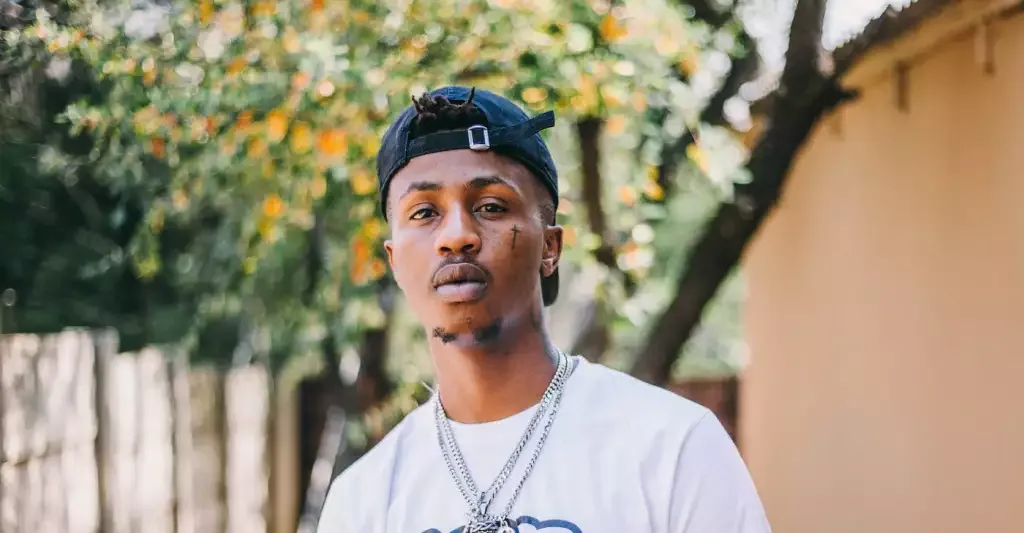
Emtee’s net worth in 2026 is estimated at approximately $500,000 USD — roughly R9.2 million ZAR. Born Mthembeni Ndevu on 17 September 1992 in Matatiele, Eastern Cape, he grew up in Rockville, Soweto, and became one of the most important and genre-defining voices in South African hip-hop history. Emtee is widely credited as the originator of African Trap Music — the distinctly South African sub-genre that blends American trap with local vernacular, Afropop, kwaito, and maskandi influences — and his debut single “Roll Up” in 2015 triggered a wave that reshaped the sound of SA hip-hop for years to come. His story is one of remarkable talent, platinum success, public financial difficulty, and a determined rebuilding of his career and brand under his own label, Emtee Records.
Emtee’s path to music began in Soweto’s talent shows and informal rap circles, where he developed his craft throughout his teenage years. Rather than repeat his final year of school when his results were not strong enough for university entry, he chose music full-time — a decision that led him to team up with producer Ruff and fellow rappers Sjava and Saudi to form the African Trap Movement collective. In 2010, he appeared on Channel O’s HeadRush programme alongside rapper Maraza on a song called “In It to Win It,” giving him his first mainstream television exposure. But it was 2015 that changed everything: signed to Ambitiouz Entertainment, he released “Roll Up” to immediate critical and commercial acclaim, topping DJ Speedsta’s hip-hop chart on YFM and announcing a new era for South African rap. His debut album Avery, released 4 December 2015 and certified platinum by RISA on 1 July 2016, named after his first son, set the template for what African Trap Music could be — multilingual, emotionally honest, commercially irresistible, and entirely South African.
The albums that followed mapped a young man growing into both artist and father. Manando (2017) — named after his late street brother who taught him to play marimba — was a more refined and emotionally layered project featuring Sjava, Saudi, and Nigerian star Tiwa Savage. DIY 2 (2018) followed as he navigated a deteriorating relationship with Ambitiouz Entertainment, until he publicly departed the label in August 2019 amid controversy over royalty payments, having urged fans not to stream his own album because he was not being paid. Under his own Emtee Records — launched in September 2019 under his African Trap Movement company — he released DIY 3 (November 2020) and Logan (April 2021), the latter debuting at number one in South Africa and dedicated to his second son. As of 2026, Emtee is 33 years old, still recording, still performing, and still one of the most culturally significant voices South African hip-hop has produced.
“Emtee really invented the genre. A lot of elements in mine and Sjava’s music come from the genius of Emtee.” — Saudi, co-founder of the African Trap Movement, on Emtee’s foundational role in creating South Africa’s defining hip-hop sub-genre.
By 2026, Emtee’s net worth reflects a career that has included platinum success, financial difficulty following his label departure, and an ongoing independent rebuild that has produced one number-one album under his own imprint. He is a father of three — sons Avery (2015) and Logan (2018), and daughter Nairobi (2023) — and remains one of SA hip-hop’s most discussed, polarising, and ultimately indispensable figures. His influence on the sound of South African music is immeasurable, even as his personal net worth remains well below the heights his commercial peak suggested he might reach.
Emtee Net Worth in 2026: Updated Figures
Emtee’s net worth in 2026 is estimated at approximately $500,000 USD — roughly R9.2 million ZAR. Briefly.co.za, one of South Africa’s most authoritative celebrity wealth sources, notes that Emtee’s net worth “remains unknown in the public domain” — a reflection of the complexity and opacity of his financial situation following his acrimonious departure from Ambitiouz Entertainment in 2019, during which he publicly stated he was not receiving royalties from his own platinum-selling albums. Various sources cite estimates ranging from $300,000 to $500,000, with some outlying estimates placing it higher — but the $500,000 figure represents the most responsibly defensible middle estimate given the publicly available information about his income streams, financial challenges, and ongoing independent career.
Emtee’s financial story is one of the most instructive in South African hip-hop: an artist who generated platinum-level commercial results at Ambitiouz Entertainment but who saw the financial rewards flow primarily to the label rather than to himself — a situation he eventually made public before departing to establish Emtee Records. Under his own imprint, he released Logan, which debuted at number one in South Africa in 2021 — a commercial result that, this time, accrued to him directly. The trajectory from the Ambitiouz era to the Emtee Records era is a story of financial renegotiation rather than financial collapse, and by 2026 he is rebuilding from a more autonomous and structurally sound base than at any previous point in his career.
Driven by independent streaming income under Emtee Records, live performance fees, brand deals, and a number-one album (Logan, 2021) — all earned since departing Ambitiouz Entertainment to build his own commercial foundation.
His net worth trajectory reflects the disruption of his Ambitiouz exit, followed by a measured independent rebuild:
| Year | Estimated Net Worth (ZAR) | Notes |
|---|---|---|
| 2015–2016 | ~R2–5 Million | Avery platinum certified; “Roll Up” YFM number one; debut SAMA win; first major income cycle |
| 2017–2018 | ~R5–12 Million | Manando released; DIY 2 EP; touring at peak; brand endorsements active; royalty disputes beginning |
| 2019–2020 | ~R2–5 Million | Ambitiouz departure; financial difficulties publicly acknowledged; assets lost; Emtee Records launched |
| 2021–2023 | ~R5–8 Million | Logan number one SA; independent royalties flowing; touring resume; personal challenges continue |
| 2026 (Current) | ~R9.2 Million | Independent rebuild under Emtee Records; streaming catalogue income; live fees; gradual wealth recovery |
Business Empire & Music Ventures
Emtee’s commercial story is defined as much by what he had to fight to escape as by what he built after. Here is an honest breakdown of the pillars of his music and business life:
Emtee Records
Emtee Records is the independent label and commercial home that Emtee established in September 2019 under his African Trap Movement company, after departing Ambitiouz Entertainment amid a deeply public dispute over royalty payments. The label signed artists including Lolli Native and Flash iKumkani alongside Emtee himself, and its first major commercial statement was Logan (April 2021) — which debuted at number one in South Africa and earned nominations for Album of the Year and Artist of the Decade at the 2021 South African Hip Hop Awards. For the first time in his career, Emtee was earning directly from his own platinum-level music without the structural impediment of a label he felt was not paying him fairly. Emtee Records represents the most financially and creatively autonomous phase of his career, and 2026 marks over five years of continuous independent operation.
African Trap Movement & Genre Creation
Before Emtee Records was a label, the African Trap Movement was a creative collective — Emtee, Sjava, Saudi, and producer Ruff — who collectively invented a genre. Their achievement was to take American trap music’s sonic architecture and rebuild it around South African vernacular languages, local musical traditions, and township social realities, producing something that felt simultaneously global and unmistakably South African. Emtee is credited by his ATM collaborators as the originator of the genre — the artist who first cracked the code and showed what African Trap Music could be. That legacy is impossible to overstate: it created not just one artist’s career but an entire commercial and artistic ecosystem that continues to generate South African hit records in 2026.
Ambitiouz Entertainment Era: Avery, Manando & DIY 2
Between 2015 and 2019, Emtee released three major projects under Ambitiouz Entertainment: Avery (2015, certified Platinum by RISA 1 July 2016), Manando (2017), and DIY 2 (2018). These three releases made him a household name in South African music, produced some of the most-streamed South African hip-hop records of their era, and earned him multiple industry awards. However, Emtee publicly stated that he was not receiving royalties from Avery and urged fans not to stream it — a claim that cast a long shadow over his relationship with the label. His departure in August 2019 came with significant personal and financial cost: he subsequently acknowledged losing assets including cars and property. The Ambitiouz era is both the commercial foundation of his public profile and the cautionary tale that led him to build a structure he actually controls.
Discography: Four Albums Across Two Labels
Emtee’s solo discography spans four studio albums and more than a decade of continuous recording output. Avery (4 December 2015) — his debut, certified Platinum, named for his first son — established him nationally. Manando (15 September 2017) — named for his late street brother who taught him to play marimba — featured Sjava, Saudi, and Tiwa Savage, and represented his most emotionally resonant work. DIY 2 (21 September 2018) arrived as his label relationship was fracturing. And Logan (9 April 2021) — dedicated to his second son, debuting at number one in South Africa — was his first fully independent major project and his clearest statement that his commercial relevance had survived the Ambitiouz era intact. This catalogue earns passive streaming income every month and continues to introduce new listeners to his music through playlist discovery.
Awards & Industry Recognition
Despite the financial turbulence of his career, Emtee’s critical and industry recognition has been consistent and significant. He won Best Male Artist at the 22nd South African Music Awards (SAMAs) in 2016 — one of the genre’s most prestigious accolades. He has won South African Hip Hop Awards multiple times, received Metro FM Music Award recognition, and earned nominations for Album of the Year and Artist of the Decade at the 2021 South African Hip Hop Awards for Logan. In 2022, he won the Global Music Award Africa. His “Roll Up” debuted at the top of DJ Speedsta’s YFM hip-hop chart in 2015, and he was ranked the third most played South African hip-hop artist in the latter part of that year. These achievements reflect an artist who, whatever the off-stage complexities, has consistently delivered music that resonates at the highest commercial level.
Rise to SA Hip-Hop: Timeline
From Matatiele to Soweto’s talent shows, to Channel O, to a platinum debut, to a number-one independent album — here are the defining moments of Emtee’s extraordinary and turbulent career:
Monthly Earnings Breakdown
Emtee’s income in 2026 reflects his independent status and the rebuilding arc of his career since the Ambitiouz exit. His earnings are lower than they would have been had he remained at a major label with full royalty compliance — but they are entirely his own. The estimates below are based on career scope, publicly documented show fees, platform analytics, and industry benchmarks for independent SA hip-hop artists of comparable streaming profiles:
| Income Stream | Estimated Monthly (ZAR) | Notes |
|---|---|---|
| Streaming Royalties (All Platforms) | R30,000 – R120,000 | “Roll Up,” “Ubuya Nini,” “iThemba,” “Wave,” “Johustleburg” — catalogue streaming across all major platforms |
| SA Touring & Live Performances | R50,000 – R250,000 | Per show; documented charge of $10,000+ per appearance; African Trap pioneer headliner status |
| Emtee Records Label Revenue | R15,000 – R60,000 | Independent label operations; artist roster income; catalogue management; full ownership rights |
| Brand Partnerships & Endorsements | R30,000 – R200,000 | Per deal; youth-market brand appeal; SA consumer brands; genre-creator credibility |
| Merchandise Sales | R10,000 – R40,000 | ATM and Emtee Records branded merchandise; tour-linked drops |
| YouTube Ad Revenue & Digital Content | R15,000 – R60,000 | “Roll Up” and catalogue music videos accumulating views continuously |
| Total Estimated Monthly | R150,000 – R730,000 | Variable; peaks during active touring and new release cycles under Emtee Records |
The critical structural shift in Emtee’s income since 2019 is ownership. When Avery went platinum at Ambitiouz, the commercial reward flowed primarily to the label. When Logan debuted at number one under Emtee Records, the reward flowed to him. That difference — ownership versus employment — is the most important financial variable in Emtee’s story, and it is the reason his net worth is positioned to grow more sustainably in 2026 than at any previous point in his career, even if the absolute figures are currently more modest than his commercial peak suggested they could be.
Personal Life, Legacy & Cultural Impact
Emtee occupies a position in South African hip-hop that is both foundational and unresolved — the architect of a genre who has not yet received the full financial reward his contribution warrants, but whose cultural impact is impossible to separate from the story of modern SA music. He is 33 years old in 2026, a father of three, and one of the most discussed figures in the industry — not just for his music, but for the candour with which he has shared both his highs and his lows with the South African public.
Personal Life in 2026
As of 2026, Emtee is the father of three children with Nicole Kendall Chinsamy — his longtime partner and fiancée, who is a fashion designer and graduate of Sew Africa College of Fashion (2019). Their sons are Avery Ndevu (born 2015, after whom his debut album is named) and Logan Ndevu (born 29 January 2018, after whom his 2021 album is named). Their daughter, Nairobi Ndevu, was born in 2023. The couple became engaged in November 2018 during a trip to Ghana for the AFRIMA Awards. Their relationship has been publicly tested — including a widely discussed domestic incident in 2023 and reported legal challenges — and as of 2026, the details of their current status remain subject to ongoing personal complexity. Emtee has been open about personal struggles including substance use, and has spoken publicly about the challenges of maintaining family life under the pressures of public career turbulence.
Cultural Legacy: The Creator of African Trap Music
Emtee’s most enduring non-financial contribution to South African culture is the genre he created. African Trap Music — the distinctly South African sub-genre he pioneered alongside Sjava, Saudi, and producer Ruff in the African Trap Movement — gave SA hip-hop a new and commercially powerful sonic identity that resonated equally with township audiences, urban youth, and global streaming platforms. His collaborators have credited him explicitly as the originator: Saudi has publicly stated that “Emtee really invented the genre.” The ATM’s influence is visible in virtually every SA hip-hop track released in the decade that followed their emergence — artists across the country absorbed the template they built and built their own careers on top of it. Compared to artists like Nasty C, who benefited from the commercial infrastructure that Emtee’s generation helped establish, Emtee stands as a founding father whose genre-defining contribution has outlasted every personal controversy attached to his name. For more context on where Emtee sits in the full SA hip-hop wealth picture, see our ranking of the richest rappers in South Africa in 2026.
“Emtee is still alive and still making music in 2026 — and the genre he created is still the dominant sound of South African hip-hop. That is the definition of a lasting legacy, whatever the personal and financial chapters in between have looked like.”
How Emtee Became Famous
Emtee became famous through a combination of genuine artistic innovation, perfect timing, and a single that captured South Africa’s imagination at exactly the right moment. “Roll Up” in 2015 arrived when South African hip-hop was ready for something that sounded local and global simultaneously — a beat that owed as much to Soweto street corners as it did to Atlanta trap studios, delivered in a multilingual flow that felt entirely natural rather than self-conscious. The song’s success on YFM opened the door to Ambitiouz Entertainment, which gave him a major platform for Avery, and the album’s platinum certification confirmed that his breakthrough was not a fluke. By 2016 he was winning SAMAs. By 2017 he was working with Tiwa Savage. By 2026 he had created a genre and founded his own label. The origin story is as simple as it is South African: a kid from Soweto who chose music over school, and proved he was right to.
Mentorship & Supporting Other Artists
Emtee has been publicly generous in supporting upcoming artists throughout his career. His Emtee Records label has given platforms to Lolli Native and Flash iKumkani, among others, and he has consistently used his social media presence to acknowledge and amplify emerging voices in South African hip-hop. Having experienced firsthand what it means to build a career without a supportive label structure, he has spoken about the importance of artists understanding their rights and controlling their masters — lessons learned from the Ambitiouz experience that he shares openly rather than privately. That transparency — telling artists what happened to him so they don’t let it happen to them — is itself a form of mentorship that carries real value for the next generation of South African hip-hop artists navigating the music industry.