Ernie Els Net Worth Overview
Ernie Els's net worth in 2026 is estimated at R1.2–1.8 billion. The range reflects a public career as a professional golfer and golf-course designer, known professional milestones and the earning channels normally available at this stage of the career. It is shown as a range because private bank balances, debts, ownership percentages, contract deductions and tax records are not publicly available in full.
Ernie Els’s major championships, golf businesses and possible income channels reviewed without a speculative total.
Based on career activity, professional standing, likely income channels and the limited financial information available publicly.
The figure should be read as a reasoned range rather than an exact bank balance. Net worth adds assets such as cash, investments, property equity and business interests, then subtracts liabilities. Public reporting normally reveals only fragments of that calculation. The range is therefore intentionally broader than the false precision often used on celebrity-finance pages.
Background and Career
Ernie Els was born on 17 October 1969 and is associated with Johannesburg, Gauteng, South Africa. The career is best understood through documented work and recognisable milestones rather than through unverified lifestyle claims. Public visibility can increase earning potential, but the quality, duration and ownership of the work determine whether that visibility becomes lasting financial value.
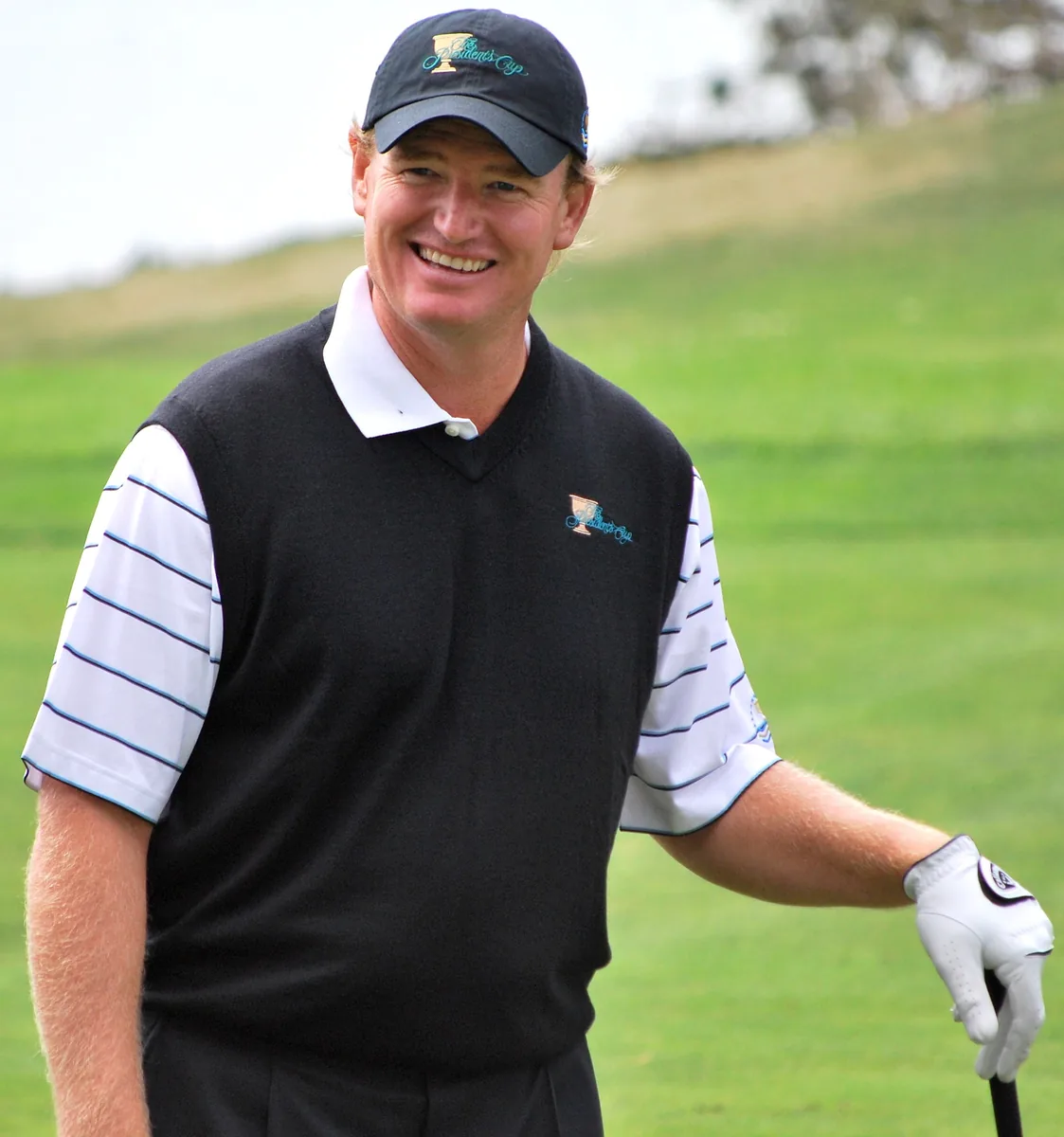
Ernie Els is a South African professional golfer known internationally by the nickname the Big Easy. This detail establishes the starting point of Ernie Els's public career and helps separate the person from similarly named personalities.
He has won four men’s major championships, including two US Open titles and two Open Championship titles. It also marks an important stage in the growth of Ernie Els's audience, professional experience and ability to negotiate paid opportunities.
His career has extended beyond tournament golf into course design, charitable work and golf-related commercial ventures. The milestone increased public recognition, although publicity and professional income are not the same as personal wealth.
Published prize money describes tournament earnings before deductions and does not include or prove the value of private investments and liabilities. This remains relevant to the estimate because sustained work usually matters more than one headline or viral moment.
Viewed together, these milestones show how Ernie Els progressed within a competitive industry. Each stage can improve negotiating power, expand the audience and create access to new projects. None of the milestones alone proves an exact fortune, so the financial discussion considers the full career pattern and uses a range that can accommodate unknown expenses and liabilities.
How the R1.2–1.8 billion Estimate Was Assessed
The estimate considers career length, level of public demand, the commercial importance of known projects and the number of realistic income channels connected to Ernie Els's profession. It does not treat social-media followers, streams, transfer reports, television ratings or press attention as cash held personally.
Ernie Els's main professional income is likely to be connected to playing or coaching contracts, appearance payments and performance incentives. Contract value depends on the club or team, competition, experience, selection status and negotiating position. A transfer fee paid between organisations is not the player's salary and should never be added directly to personal net worth.
Professional sport has deductions that are easy to overlook. Tax, representation, insurance, training support, travel, family commitments and the short length of an elite career all influence retained wealth. Endorsements can add income, especially for nationally recognised athletes, but campaign values and image-rights arrangements are normally private.
A lower end of R1.2 billion allows for significant professional costs, shared revenue and a career that may still be accumulating assets. The upper end reflects stronger contract terms, repeated paid work, commercial campaigns and careful saving or investment. The range can change when credible new contracts, business holdings, property transactions or direct disclosures become available.
Income Sources
Ernie Els may earn through several channels rather than one fixed salary. The table separates those channels so readers do not confuse gross project revenue with personal net worth.
| Income channel | Public amount | How it affects the estimate |
|---|---|---|
| professional golf prize money | Contract dependent | Included as a possible career income channel |
| sponsorship and equipment agreements | Contract dependent | Included as a possible career income channel |
| golf-course design and business interests | Contract dependent | Included as a possible career income channel |
| appearances, licensing and ambassador work | Contract dependent | Included as a possible career income channel |
Professional golf prize money: This can contribute to Ernie Els's gross career earnings, but the public does not have the complete contract, deductions or payment schedule. The value can change from one project, season or campaign to another.
Sponsorship and equipment agreements: This income stream becomes more valuable when demand remains consistent. Management commissions, production expenses, tax and shared rights may reduce the amount that eventually becomes personal savings or investable capital.
Golf-course design and business interests: This can contribute to Ernie Els's gross career earnings, but the public does not have the complete contract, deductions or payment schedule. The value can change from one project, season or campaign to another.
Appearances, licensing and ambassador work: This income stream becomes more valuable when demand remains consistent. Management commissions, production expenses, tax and shared rights may reduce the amount that eventually becomes personal savings or investable capital.
Diversification matters because a single contract or release may end quickly. A person who develops repeat work, owns rights or invests retained earnings may build wealth more consistently than someone with a larger headline fee and equally large expenses. That distinction is included in the range shown on this page.
Career Value and Future Growth
Ernie Els's future financial direction will depend on the next phase of the career. Continued professional selection, new releases, recurring screen roles, international opportunities or stronger commercial partnerships can increase annual earnings. Long periods without paid work, injuries, changing audience demand, contract disputes or high operating costs can have the opposite effect.
Career value is broader than one year's income. A catalogue, image rights, production company, academy, property portfolio or equity stake can continue producing value after the original work is completed. The available information does not show a complete privately owned portfolio for Ernie Els, so none has been invented for this calculation.
The most defensible conclusion is that Ernie Els has established genuine earning power in the role of professional golfer and golf-course designer. The R1.2–1.8 billion range recognises that progress while leaving room for the private costs and liabilities that public profiles cannot see.
How This Estimate Compares
Comparisons between public figures should use similar career stages and industries. A young performer should not be measured against an artist with decades of catalogue ownership, just as a developing domestic player should not be compared directly with a long-serving international star. Different contracts, taxes, ownership structures and career lengths can create large differences even when two people have similar public visibility.
For Ernie Els, the estimate focuses on the commercial level suggested by the documented career rather than copying the highest figure found online. The purpose is to give South African readers a practical rand range that fits the known work. It can be revised as the career develops and stronger financial evidence becomes available.
Frequently Asked Questions
What is Ernie Els's estimated net worth in rands?
The current 2026 estimate is R1.2–1.8 billion. It is expressed as a range because complete personal assets and liabilities are private.
How does Ernie Els make money?
The main possible channels are professional golf prize money, sponsorship and equipment agreements, golf-course design and business interests, appearances, licensing and ambassador work. The value and timing of each payment depend on private agreements.
Is income the same as net worth?
No. Income is money earned during a period, while net worth is the value of owned assets after debts are deducted. Gross contract values also exclude costs, commissions and tax.
Can this estimate change?
Yes. New contracts, successful projects, investments, expenses and liabilities can move the range in either direction.